
7 Effective Duct Sealing and Insulation Tips That Reduce Utility Bills
November 26, 2025
By Varitek Heating & Air Conditioning Team
When it comes to home comfort and energy savings, most homeowners focus on their furnace or air conditioner. But one often-overlooked factor can dramatically affect your utility bills: your ductwork. Properly sealed and insulated ducts ensure that your heating and cooling systems operate efficiently, keeping your home comfortable while reducing wasted energy. In this guide, we’ll cover actionable tips for duct sealing and insulation, and explain how these improvements can save you money in Pasadena, Whittier, and the greater Los Angeles area.
Why Ductwork Matters
Your home’s duct system is essentially the circulatory system of your HVAC system. Just like a leak in a water pipe reduces flow, leaks or poorly insulated ducts allow heated or cooled air to escape before reaching your living spaces. According to the U.S. Department of Energy, leaky ducts can reduce HVAC efficiency by up to 30% (DOE, 2021). That’s money literally going up the walls, or worse, into the attic.
Common signs of duct issues include:
- Uneven heating or cooling across rooms
- Higher than normal energy bills
- Hot or cold spots near vents
- Dust buildup around duct joints
Even a minor leak in the system can have a major impact over time.
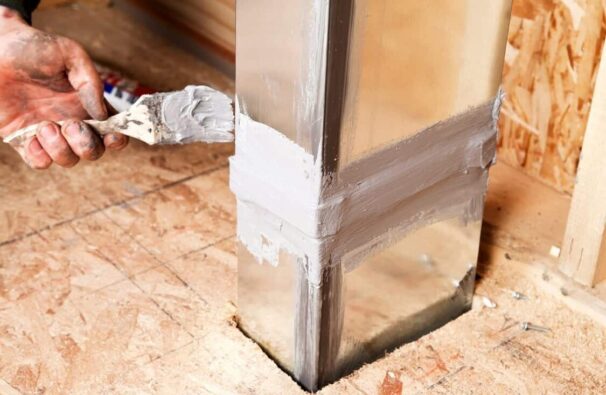
Duct Insulation Tips
Once your ducts are sealed, insulation helps maintain the temperature of the air traveling through them. Here’s how to make it effective:
- Choose the Right R-Value
The R-value measures insulation’s resistance to heat flow. In Southern California, duct insulation with an R-6 to R-8 rating is typically sufficient for unconditioned spaces like attics or crawl spaces. - Insulate Accessible Ducts
Wrap insulation around ducts that run through attics, garages, or other unconditioned spaces. Ensure the insulation is snug and fully covers all surfaces, especially elbows and joints. - Avoid Compressing Insulation
Compressed insulation loses its effectiveness. Maintain the thickness recommended by the manufacturer and secure it with tape or straps, not staples that compress the material.
Check for Existing Damage
If insulation is torn, wet, or moldy, replace it. Damaged insulation can harbor allergens and reduce airflow.
The Benefits
Investing in duct sealing and insulation offers measurable advantages:
- Lower Energy Bills: Preventing air leaks can reduce heating and cooling costs by 10–30% (EPA, 2020).
- Improved Comfort: Even airflow means consistent temperatures throughout your home.
- Extended HVAC Life: Reduced strain on your system decreases wear and tear, lowering repair frequency.
- Better Indoor Air Quality: Sealed ducts prevent dust, allergens, and insulation particles from entering your living spaces.
When to Call a Professional
DIY duct sealing is feasible for small, accessible areas, but complex or hidden systems require professional expertise. Licensed HVAC contractors in Pasadena, Whittier, and Los Angeles can:
- Perform duct leakage tests
- Seal and insulate ducts efficiently
- Identify airflow issues or hidden leaks
- Ensure your HVAC system meets local energy codes
A professional assessment often pays for itself in energy savings within the first year.
Conclusion
Many homeowners underestimate the impact of their ductwork on comfort and utility bills. By properly sealing and insulating your ducts, you can maximize HVAC efficiency, reduce energy costs, and enjoy a more comfortable home year-round. Whether you tackle minor leaks yourself or hire a professional for a full assessment, taking action now can prevent wasted energy and improve your indoor environment for years to come.
Get Your Ductwork Fixed the Right Way
If your home feels uneven or your bills keep climbing, your ducts may be the reason. Let our professionals inspect, seal, and insulate your ductwork the right way.
Visit our service page here → Schedule Now
References
- Energy Saver: Duct Sealing. U.S. Department of Energy, 2021.
- Guide to Energy-Efficient Heating & Cooling. Environmental Protection Agency, 2020.
Key Takeaways
-
Leaky or poorly insulated ducts can waste up to 30% of your heating and cooling, causing higher energy bills and uneven temperatures.
-
Sealing ducts before adding insulation is the most effective way to boost efficiency and comfort.
-
Using mastic sealant or UL-181 foil tape ensures long-lasting, reliable sealing (avoid standard duct tape).
-
R-6 to R-8 insulation is ideal for ducts in attics, garages, or other unconditioned spaces in Southern California.
-
Proper duct sealing and insulation help reduce energy waste, improve airflow, and extend HVAC system lifespan.
-
Professional duct testing can find hidden leaks that homeowners often miss.
FAQ
How do I know if my ducts are leaking?
Common signs include uneven room temperatures, high energy bills, hot or cold spots near vents, dust buildup on registers, or whistling sounds coming from ducts.
Is duct sealing a DIY project?
You can seal small, easily accessible areas using mastic or foil tape. However, full-system sealing—especially in attics, crawl spaces, or behind walls—is best handled by a licensed HVAC technician.
Do I need insulation if my ducts are already sealed?
Yes. Sealing stops air leaks, but insulation keeps the air at the right temperature as it travels through the ducts. Both are important for efficiency.
How much can duct sealing and insulation save me?
Homeowners can save u003cstrongu003e10–30% on heating and cooling costsu003c/strongu003e depending on the severity of the leaks and how much of the ductwork is uninsulated.
What insulation R-value should I use in Southern California?
Most homes in Los Angeles, Pasadena, and Whittier benefit from u003cstrongu003eR-6 to R-8 duct insulationu003c/strongu003e for attics, garages, and other unconditioned areas.
How long does professional duct sealing take?
Most homes can be fully inspected, sealed, and insulated in u003cstrongu003e2–4 hoursu003c/strongu003e depending on the size and accessibility of the duct system.
Will duct sealing improve indoor air quality?
Yes. Properly sealed ducts prevent dust, insulation fibers, and attic debris from being pulled into your vents and circulated throughout your home.
Do I need to replace my ductwork instead?
Not usually. Most ductwork can be restored with repairs, sealing, and insulation—unless it’s severely damaged, crushed, or improperly sized.
How often should ductwork be inspected?
Every u003cstrongu003e2–3 yearsu003c/strongu003e or whenever you notice uneven temperatures, rising bills, or changes in airflow.