
November 20, 2025
By Varitek Heating & Air Conditioning Team
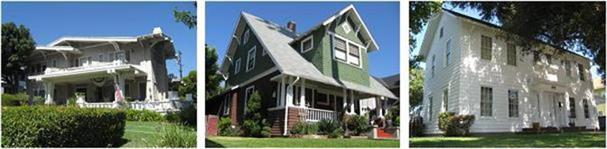
In Los Angeles, especially in older neighborhoods like Pasadena and Whittier, many homes built in the early to mid-20th century still rely on floor furnaces and wall furnaces for heat. These older heating systems were once the standard for residential comfort. They were compact, simple, and effective for their time. Today, however, they are often hidden or forgotten.
While they help preserve a home’s historic character, older floor and wall furnaces can create serious safety, efficiency, and comfort concerns if not properly maintained or upgraded (CPSC, 1992).
What Exactly Is a Floor Furnace?
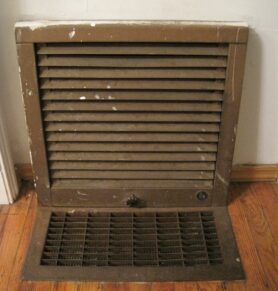
A floor furnace is a gas-powered heating system installed beneath a home’s flooring. Instead of ductwork, it relies on natural convection. As the burner heats the air, warm air rises through metal grates in the floor into the living space.
This simple design made floor furnaces popular in older Los Angeles homes, especially in areas like Pasadena and Whittier where retrofitting ductwork was impractical (PG&E, 2023).
These units are usually located in crawl spaces beneath hardwood, tile, or linoleum floors. Because they remain out of sight, many homeowners assume that if the heat turns on, the system must be safe. Unfortunately, age and unseen wear can create hazards that aren’t obvious without professional inspection (CPSC, 2001).
What Is a Wall Furnace?
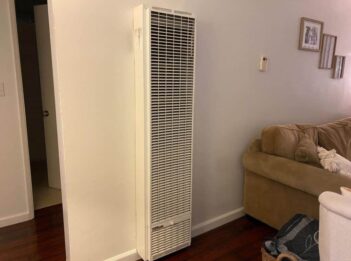
A wall furnace is mounted directly inside a wall cavity, using gas combustion and natural airflow to heat nearby spaces. Like floor furnaces, wall furnaces operate without ductwork, making them common in historic Whittier bungalows, duplexes, and older apartment buildings.
While economical, aging wall furnaces often suffer from uneven heating, dust and debris buildup, rusted burners, and deteriorating vent systems.
These issues not only affect comfort but can also impact indoor air quality and safety (CPSC, 1992).
Why These Systems Are Still Everywhere in LA
Older heaters remain widespread in Los Angeles for several reasons:
Many homes in areas like Pasadena and Whittier were built before central heating became standard, and floor or wall furnaces were affordable at the time (Census Bureau, 2020).
Southern California’s mild winters meant homeowners often delayed upgrades, especially if their existing furnace “still worked.”
Ductwork installation requires space that many older homes simply do not have, making modern upgrades more complex (PG&E, 2023).
Hidden Safety Risks Homeowners Don’t Know About
Older heating systems may still function, but age significantly increases safety risks if maintenance has been neglected.
Carbon monoxide (CO) is one of the most serious dangers. Over time, cracks can form in heat exchangers, allowing CO to leak into living areas. Because CO is colorless and odorless, it often goes unnoticed (ARB, 2025).
According to the California Air Resources Board, older gas furnaces—especially wall and floor units—pose a higher risk when venting systems degrade or combustion becomes inefficient. The agency emphasizes the importance of proper maintenance and monitoring.
You can review their official safety guidance here:
California Air Resources Board – Carbon Monoxide Safety
Dust, lint, and debris also collect around these systems. When the buildup reaches the burner area, fire risk increases (CPSC, 1992). Damaged vent pipes can trap exhaust gases inside the home, creating long-term exposure risks (CPSC, 2001).
Why They Feel Less Comfortable Than Modern Heating
Even if a furnace is still operational, vintage systems rarely provide the same level of comfort and performance as modern ones. Floor and wall furnaces are designed for simplicity rather than efficiency or air quality. These older units often heat unevenly, with one room feeling warm while another remains chilly. Since they lack forced-air circulation, they do not filter air, increasing the likelihood of dust, pet dander, and allergens recirculating in the spaces they serve (CPSC, 1992). Additionally, they do not control humidity, which makes them less effective at adapting to seasonal variations.
Maintenance Most Homeowners Never Do
Neglect remains a significant problem for older furnaces. Without ductwork or modern safety features, homeowners often overlook the need for regular maintenance of these systems. An annual service should include inspecting the heat exchanger for cracks, cleaning burners, testing safety controls and carbon monoxide detectors, checking vents, and inspecting gas connections for leaks (PG&E, 2023). In historic neighborhoods such as Pasadena and Whittier, homeowners frequently ignore these inspections, allowing systems to operate for decades without professional upkeep.
When It’s Time to Replace
Sometimes, replacing the system is the better option. Indicators that it might be time to do so include: the furnace being over 30–40 years old, the presence of soot, odd smells, or discoloration, family members experiencing headaches, dizziness, or nausea, and a desire for more even heating across your home (CPSC, 2001).
Best Replacement Options for Older Homes
Even if you want to preserve your home’s vintage charm, there are heating solutions that blend modern performance with historic aesthetics.
Ductless Mini‑Split Heat Pumps: Ideal for homes without ductwork, these provide both heating and cooling, work in zones, and only require small wall-mounted indoor units (PG&E, 2023).
Central Heating Retrofits: Full-home heating solutions that require some construction but give consistent, efficient comfort.
High‑Efficiency Wall Furnace Replacement: Modern units designed to look like vintage wall furnaces, offering safety and efficiency while keeping the historical feel.
Why Homeowners Shouldn’t Ignore These Hidden Systems
Old heaters are more than just antiques; they are functional systems requiring proper attention. Neglecting maintenance can lead to significant health and safety hazards. Advances in heating technology, such as ductless heat pumps or high-efficiency wall furnaces, enable homeowners in Los Angeles, Pasadena, and Whittier to maintain their historic homes while ensuring safety and comfort (CPSC, 1992).
Final Thoughts
Living in a historic home is special. Those floor grates, thick walls, and original features tell a story. However, vintage heaters that have not been maintained in decades are not only nostalgic but can also be dangerous. With professional inspections, proper maintenance, and thoughtful upgrades, you can protect your family while preserving the charm of your historic home.
Ready to upgrade your home’s comfort?
Explore your options or schedule a professional furnace evaluation with us today. Visit our service page here → Schedule Now
California Air Resources Board (ARB). Carbon Monoxide: A Cold Weather Health Threat. ARB, 2025, ww2.arb.ca.gov/news/carbon-monoxide-cold-weather-health-threat.
Pacific Gas & Electric (PG&E). Furnace and Heater Safety. PG&E, 2023, pge.com/assets/pge/docs/save-energy-and-money/energy-savings-programs/furnace-and-heater-safety.pdf.
U.S. Consumer Product Safety Commission (CPSC). Inspecting Your Home Heating System Before Winter Could Save Your Life. CPSC, 1992, www.cpsc.gov/Newsroom/News-Releases/1993/Inspecting-Your-Home-Heating-System-Before-Winter-Could-Save-Your-Life.
U.S. Consumer Product Safety Commission (CPSC). CPSC Urges Seasonal Furnace Inspection to Prevent CO Poisonings. CPSC, 2001, www.cpsc.gov/Newsroom/News-Releases/2002/CPSC-Urges-Seasonal-Furnace-Inspection-to-Prevent-CO-Poisonings.
U.S. Census Bureau. Housing Units by Year Built. 2020, census.gov/content/dam/Census/programs-surveys/ahs/working-papers/Housing-by-Year-Built.pdf.
Key Takeaways
-
Floor furnaces heat your home from the bottom up, providing natural warmth that rises through living spaces.
-
Wall furnaces are compact, mounted units that efficiently heat smaller rooms or apartments.
-
Both systems can be modernized for improved energy efficiency, comfort, and compatibility with smart thermostats.
-
Safety and proper maintenance are essential for reliable operation; yearly inspections and clearing surrounding areas are recommended.
-
Choosing the right system depends on your home layout, size, and heating needs, and a professional HVAC evaluation is highly recommended.
FAQ
What is a floor furnace and how does it work?
A floor furnace is a heating unit installed directly in the floor, often in a crawl space or basement. It heats air from the bottom up, allowing warmth to rise naturally throughout the home. Floor furnaces are ideal for spaces where wall- or ducted-systems may not fit.
How does a wall furnace differ from a floor furnace?
A wall furnace is mounted directly on a wall, typically in a smaller room. It draws in air, heats it, and pushes it into the space. Wall furnaces are compact and perfect for rooms where floor installation isn’t practical.
Are floor and wall furnaces safe to use?
Yes, both types are safe when installed and maintained properly. Regular inspections, checking for gas leaks if applicable, and keeping the area around the furnace clear of flammable items help ensure safe operation.
Can these furnaces meet modern heating needs?
Yes, modern floor and wall furnaces can be very efficient. Many models now include multi-stage heating, improved airflow, and compatibility with programmable or smart thermostats for better comfort and energy savings.
How do I know which type is right for my home?
Floor furnaces are best for homes with sufficient crawl spaces or basement areas. Wall furnaces work well in smaller rooms or apartments. Consulting a professional HVAC technician can help determine which system is best suited to your space and heating needs.